Dalberg uses cookies and related technologies to improve the way the site functions. A cookie is a text file that is stored on your device. We use these text files for functionality such as to analyze our traffic or to personalize content. You can easily control how we use cookies on your device by adjusting the settings below, and you may also change those settings at any time by visiting our privacy policy page.

“In the U.S. and many other countries, blue-collar workers are struggling to make ends meet. This is not just a labor issue—it’s a civic imperative for philanthropies and businesses to act, because failing to do so risks widening societal rifts and fueling increasingly divided societies.”
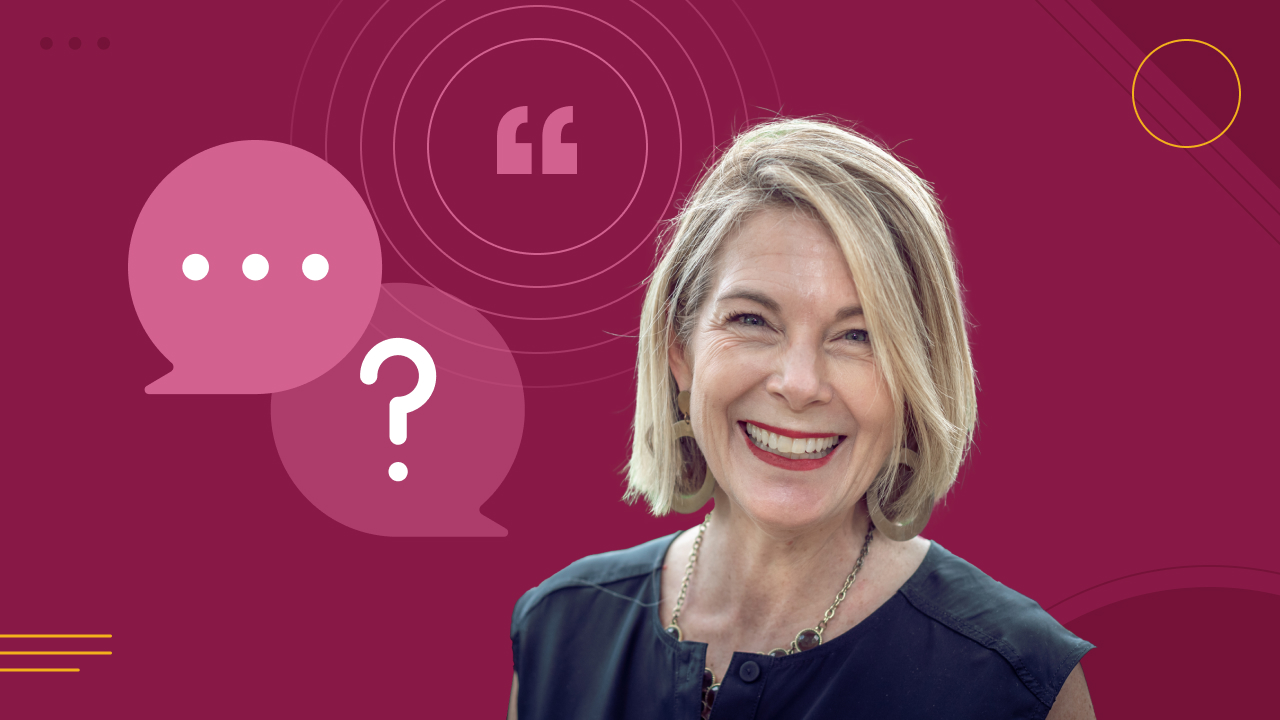
Joe Dougherty has spent over 30 years at the forefront of economic development and workforce transformation—advising governments, philanthropies, and businesses in more than 30 countries. Based in San Francisco, he leads Dalberg’s work on inclusive growth and job quality in the U.S., where he’s helped launch transformative initiatives like Los Angeles County’s $25 million Economic Mobility Initiative and the $18 million High Road Training Partnership.
Joe also played a founding role in the national Adult Literacy and Learning Impact Network (ALL IN), underscoring his long-held belief that literacy and economic opportunity go hand-in-hand. From leading workforce strategy design for California’s $600 million Jobs First initiative to championing community-driven planning in Kern County, his work is reshaping how public systems respond to workers’ real needs.
In this conversation, Joe explains why workforce development is no longer just a labor issue—it’s a civic imperative. He shares what’s working, what’s not, and what it will take to build more just, resilient economies for the two-thirds of adults without a college degree.
First of all, why are “job quality” and “workforce development” such important topics?
Wage stagnation and the lack of opportunity for people without college degrees has contributed significantly to the challenges we now face politically—not only in the US, but in many other countries as well. The political divide between college-educated and non-college-educated voters is greater than it’s ever been before. At least in the US, it’s bigger than any other divide based on gender, age, or ethnic background. And almost two-thirds of adults, in the US as in most other countries, don’t have a college degree.
The wage gap between the two groups has grown wider and wider over several decades: today, college graduates earn nearly twice as much as non-college workers, on average. Blue-collar workers in the US generate almost 80% more economic value today than they did in the 1970s, but their hourly wages have increased by less than 30% since then. In 1970, eight in ten young people could expect to earn more than their parents. Today, that number is only around half.
Globalization and automation drove some of this gap, but I believe much more of it is the result of decades of policies that are anti-worker: weakening collective bargaining rights, underinvesting in vocational education, limiting access to affordable housing near job centers, or allowing companies to rely heavily on temporary and contract labor.
On the contrary, in countries where pro-worker policies are in place—such as Germany and Denmark—sectoral wage agreements, universal childcare, portable benefits, affordable upskilling programs, and strong labor protections contribute to greater workforce security and participation. As a result, workers earn more, enjoy greater job stability, and experience less political disillusionment.
You just returned from the JFF Horizons Summit, where the future of work was a central theme. What were your key takeaways from the event and how do they connect to your work on inclusive growth and job quality?
The Horizons Summit was a powerful reminder that the future of work isn’t some distant scenario; it’s unfolding right now and we’re already behind in making it inclusive. One of the most resonant messages was that technology, especially AI, will continue to reshape jobs, but without intentional design and investment, it risks deepening existing inequalities rather than closing them.
I was encouraged to see more conversations moving beyond just “skills gaps” to broader systemic issues: the erosion of worker protections, the lack of portable benefits, the digital divide. Several sessions emphasized the need to put people, not just productivity, at the center of workforce planning. That aligns deeply with our work at Dalberg. Whether we’re co-designing training programs in California or advising national literacy initiatives, our focus is always on giving workers the power, voice, and tools they need to thrive in today’s economy, not yesterday’s.
You’ve spent much of your career working at the intersection of economic development and workforce transformation. What are some of the most effective strategies you’ve seen for improving job quality and economic mobility, particularly for underserved communities?
In the absence of pro-worker policies, levers like unionization and community-driven workforce strategies become even more important.
The fastest route to improved job quality and economic mobility is probably unionization: In the US, for example, workers who are members of a union earn nearly 20% more per week than non-union workers and, more importantly, union members have better access to pension plans, decent health care, and other benefits; so union households build, on average, 2 to 2.5 times more wealth than non-union households. But today, only about 10% of workers are represented by a union compared to twice that rate forty years ago. Wages and wealth accumulation for blue-collar workers have stagnated as union membership has declined—that’s not a coincidence.
Building more affordable housing helps, too: Good quality jobs tend to be found in places with high home prices, which prevents workers from moving to those areas. In the 1960s, about 1 in 5 Americans moved house in any given year, but by 2023 only 1 in 13 did so.
We can also make it easier and cheaper for people to get trained for better jobs. When the state of Tennessee made community college free for everyone, graduation rates more than doubled. Paid apprenticeships help immensely as well—one study found that completing an apprenticeship led to an increase in wages of almost 50%. But the ‘paid’ part is very important: most people can’t afford to work for free, and they shouldn’t be expected to. Most people can’t afford to attend job training programs if it means they must stop working (and earning) in order to train—even if the training program itself is free.
Conversations around workforce development often focus on job creation, but job quality is just as critical. How do you see policymakers, businesses, and communities working together to ensure that new jobs offer fair wages, benefits, and career growth opportunities?
Job quality won’t improve without better policies, and policies won’t get better without pressure from unions and other advocates for workers’ rights: With a very few exceptions, businesses won’t improve job quality unless they’re forced to, so workers and their allies have to organize and demand change from their political representatives.
In addition to pro-worker policies, another way to get businesses to offer better quality jobs is through competition. State and local governments can play an important role here as large employers themselves: if they offer better jobs—and don’t require college degrees for positions that don’t really need a college grad—they create pressure for local private employers to follow suit. Stimulating more competition within industries, by encouraging entrepreneurship and by enforcing anti-monopoly laws, can also make a difference: the more that businesses must compete for talent, the more they have to offer attractive wages, benefits, and working conditions.
Considering your role in designing and launching the Adult Literacy and Learning Impact Network (ALL IN), how does adult literacy contribute to economic resilience in local communities and how can we better integrate it into broader economic mobility initiatives?
While it’s important to increase the supply of quality jobs, it’s also essential that workers have the knowledge and skills to compete in a 21st century economy. And it’s hard to build knowledge without foundational skills like literacy and numeracy. More than half of American adults can’t read as well as a 6th grader, and nearly one in five can’t read at a 3rd grade level. And only 10% of those people are currently getting support. But more and more jobs, even really basic ones, require at least a moderate level of literacy.
There’s a huge connection between literacy and economic resilience at a national level. A Gallup study estimated that if we could bring everyone up to at least a 6th-grade reading level, we’d generate more than $2 trillion in GDP every year. But beyond the economic impact, literacy is essential for basic human freedom and dignity.
Workforce development programs absolutely have to either incorporate basic literacy into their programs, ideally through partnership with local literacy programs, or they won’t be accessible to the people who need them the most.
Public-private partnerships are considered key to economic development. What have you learned about building meaningful collaborations between governments, businesses, and philanthropy that drive lasting impact?
The California Jobs First initiative is a good example of cross-sector partnership. The state allocated about $600 million to create good quality jobs and help people qualify for them. The state has taken a bottom-up, inclusive approach: Each of 13 regions across the state brought together a coalition of community-based organizations, labor unions, private employers, and local government representatives to co-create tailored plans that guide how the state money will be spent in their region. Dalberg supported two of those regions in developing their plans: Governor Gavin Newsom called the process we facilitated in Kern County “the most comprehensive economic workforce planning process in our state’s history” because more than 800 people had a say in the process. This kind of broad collaboration isn’t easy; it demands a lot of patience and persistence along with a good balance between rigor and flexibility. We learned that having a dedicated, impartial facilitator is key to success.
Your work with the Los Angeles County Department of Economic Opportunity helped launch an $18 million “High Road Training Partnership” recently. What exactly is an HRTP, and what lessons can be applied from this initiative to other places looking to scale impactful workforce programs?
Well, first, most workforce development programs, at least in the US, aren’t very impactful. A recent study found that people who completed a WFD program didn’t really see their wages increase very much. So an HRTP is designed to address that: In LA County, the funding will only be given to programs that train workers for what CA calls ‘high road’ (i.e. good quality) jobs – ones that pay a living wage and offer a path to promotion as well as decent benefits and good, safe working conditions. And the training programs must work in partnership with employers, so that the training provides relevant skills as well as a secure path into employment.
The challenge we are finding is that, frankly, there just aren’t that many ‘high road’ or good quality jobs that don’t require a 4-year college degree. So, coming back to where we started, the main task at hand is to create more quality jobs, which requires policy changes. This is hard—especially now—but if we don’t find a way to create more opportunities for working families to earn a decent living and build wealth, we’ll all be in serious trouble. No society can afford to leave two-thirds of its people behind.
Connect with Joe to know more about his work:

Joe Dougherty
Partner, Dalberg Advisors
Related Articles