
Dalberg uses cookies and related technologies to improve the way the site functions. A cookie is a text file that is stored on your device. We use these text files for functionality such as to analyze our traffic or to personalize content. You can easily control how we use cookies on your device by adjusting the settings below, and you may also change those settings at any time by visiting our privacy policy page.
Father’s Day comes with mixed feelings as I prepare to enter my 60s. Like many of my contemporaries, I spend a lot of my time looking after an aging father—struggling with how to keep his fragile health and well-being from further deterioration. Even a titan of industry like Tim Cook (with unlimited tech and financial resources at his fingertips) is not immune to the challenges of remotely caring for an aging father.
On Father’s Day, I can’t help but wonder how many more of these occasions I will have with my Pop around, and reflect on my own mortality. How might things be different if I am lucky enough to live into my mid 90s as he has? What role will my relationship with technology play in preparing me to better navigate that future? Aging, particularly cognitive decline, exposes a huge gap in our tools and resources that technology is struggling to fill. As a “Digital Pioneer” who came of age in the era of personal computing it is impossible to imagine a future without this intimate relationship.
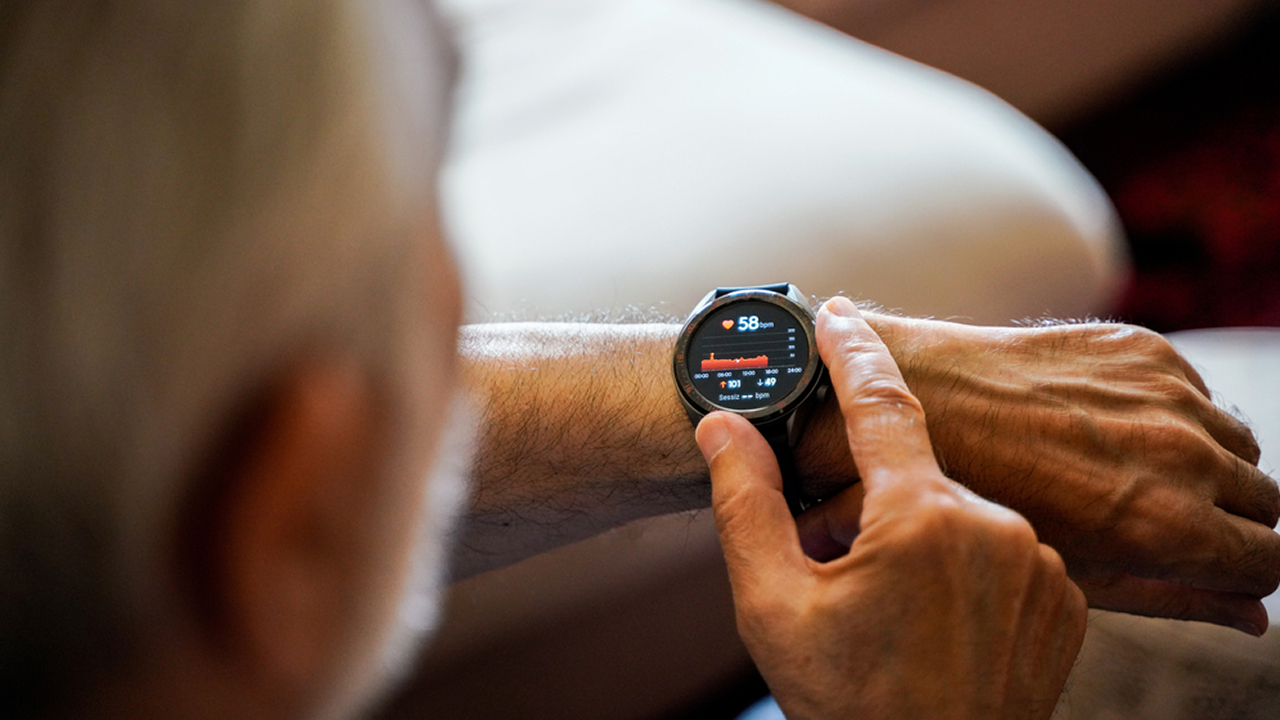
While staying in good physical shape is important to me, I am frustrated by the unending wave of new watches, wearables, and other health gizmos coming out of the tech sector that drive our obsession with real-time tracking and performance optimization. This interaction model feels fundamentally misaligned with the experience of aging I have seen in my 94-year old father, who is now struggling through the slow, gradual decline of dementia. My father was intensely physically active throughout his entire life—even taking up swimming well into his 80s when he could no longer rush the net. But, at this point, his needs are much more basic and quotidian than they were even five years ago. The world of assistive devices that he occupies (hearing aids, wheelchairs) seems completely out of step with the digital environment that has nurtured me and my generation.
This is an excerpt. Read the full article here.
Robert Fabricant
Partner and Co-Founder, Dalberg Design
Related Articles