Dalberg uses cookies and related technologies to improve the way the site functions. A cookie is a text file that is stored on your device. We use these text files for functionality such as to analyze our traffic or to personalize content. You can easily control how we use cookies on your device by adjusting the settings below, and you may also change those settings at any time by visiting our privacy policy page.
Transforming food production will take time, as it depends on human behavior, and individuals can’t shoulder this responsibility alone. Governments, businesses, and nonprofits must work together to seize this potential. The benefits span public health (especially children’s health), environmental protection, climate resilience, animal welfare, job creation, and food security. The upside feels limitless.
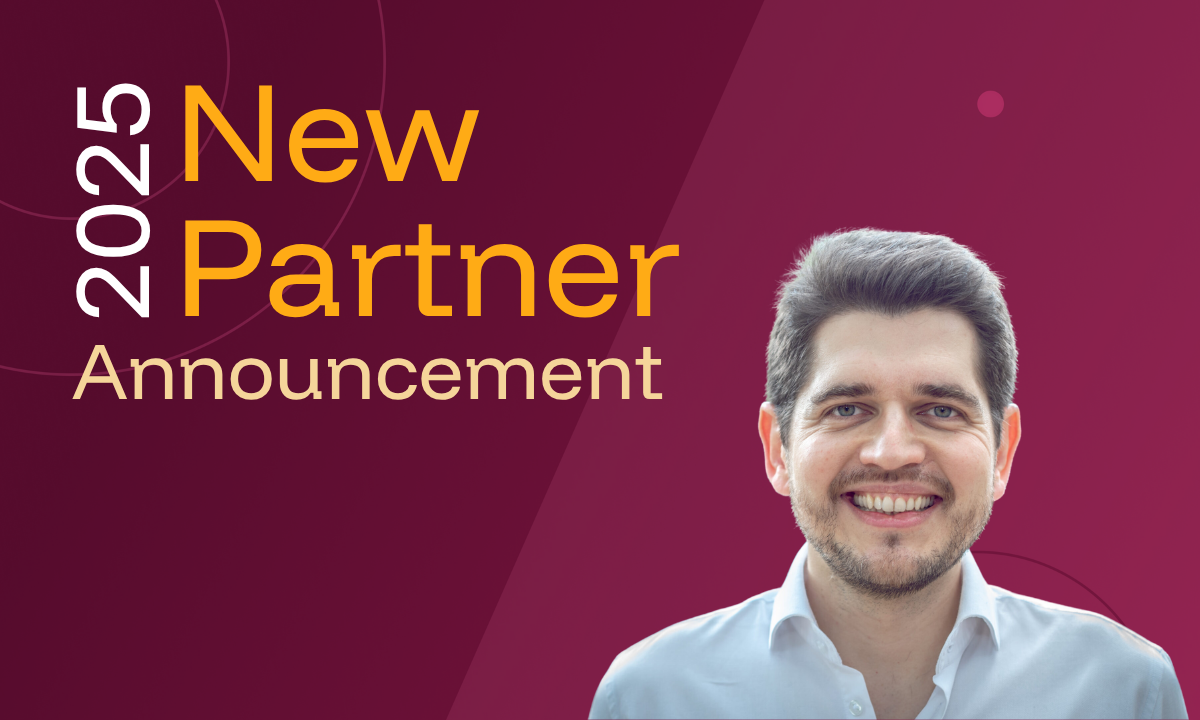
Dalberg is proud to announce the election of Jean-Charles Guinchard to the partnership at Dalberg Advisors. Based in Paris, Jean-Charles leads Dalberg’s work on Climate, Environment, and Water. His functional expertise spans strategy, organizational transformation, investment advisory, advocacy, and coalition-building.
A recognized voice in global climate policy, Jean-Charles has co-authored several flagship reports on environmental sustainability and water systems. For example, he has helped the IFRC identify how nature-based solutions can help reduce the risk and impacts of climate and weather-related disasters, and co-authored WWF’s report on the true value of water and freshwater ecosystems. He has also helped design large-scale funding proposals, including securing $34 million in Green Climate Fund financing for climate-resilient agriculture in Mali.
At the intersection of environment and health, he recently advised the Clean Air Fund and Foundation S – the Sanofi Collective on ecosystem-building and program design, and helped several governments develop national strategies on circularity and water.
In this conversation, Jean-Charles reflects on what it takes to bring about change at the intersection of climate, environment, and human development.
Your work often involves supporting a wide range of clients and sectors in building circular or sustainable value chains. What does that diversity of engagement look like in practice?
Our work at the intersection of development and sustainability can take many forms. For instance, we might help an NGO design an effective climate adaptation project and turn it into a compelling funding proposal for a major climate fund or development finance institution. Or we might support a corporate to improve the social and environmental impact of its supply chains, advise a government on a new aid program, or help a foundation reset its strategy and operating model.
As a leader, what moments make you most proud of your team’s work?
I feel privileged to work within a team that cares deeply about impact, combining excellence in day-to-day work with a great deal of empathy. One project that stands out is our collaboration with Save the Children to secure a $34 million grant for scaling up climate-resilient agriculture systems in Mali. The project will help improve food security, nutrition, and economic empowerment for over 400,000 beneficiaries. The way our teams have worked on this project makes proud: they went above and beyond in terms of pushing the research and analysis to develop the most granular understanding of the farmers’ expectations, needs, constraints, and aspirations as possible, and also included the broader community’s needs to make sure that the project was fundable and as effective as possible.
What’s something you wish more people understood about Dalberg’s sustainability and development work?
Probably this: In our field, complexity and limited time are often conflicting constraints for decision-makers, whose choices can affect millions of lives. That’s why I see a special duty for us as advisors to bring the best information and analysis and offer recommendations that maximize positive impact. This applies to every engagement, whether it is designing a new climate adaptation project, helping a country develop its aid agency or helping corporates improve the sustainability of their value chains. The goal is eventually always the same: enabling everyone everywhere to live with dignity and to thrive. For this, we will systematically apply a gender lens, an equity lens, and a climate lens in every work we do, and we proactively do our best to factor in the needs of the most vulnerable populations. We constantly aim beyond a one-off impact story and try to make recommendations that shift power dynamics and enable sustained transformation in societies.
Where do you see the next big opportunity for impact?
One massive opportunity we’ve only begun to explore lies at the intersection of environment and health. Take our eating habits on one hand, and the way we use our arable land and water bodies on the other. There’s a huge, untapped potential for change. Today, more people suffer from obesity than malnutrition, and our soils and water bodies are more degraded than ever. Industrial agricultural systems are a major driver of this crisis.
Shifting our diets and transforming food production will take time as it depends on human behavior, and individuals can’t shoulder this responsibility alone. Governments, businesses, and nonprofits must work together to seize this potential. The benefits span public health (especially children’s health), environmental protection, climate resilience, animal welfare, job creation, and food security. The upside feels limitless.
Connect with Jean-Charles to know more about Dalberg’s work in climate, sustainability, and water:
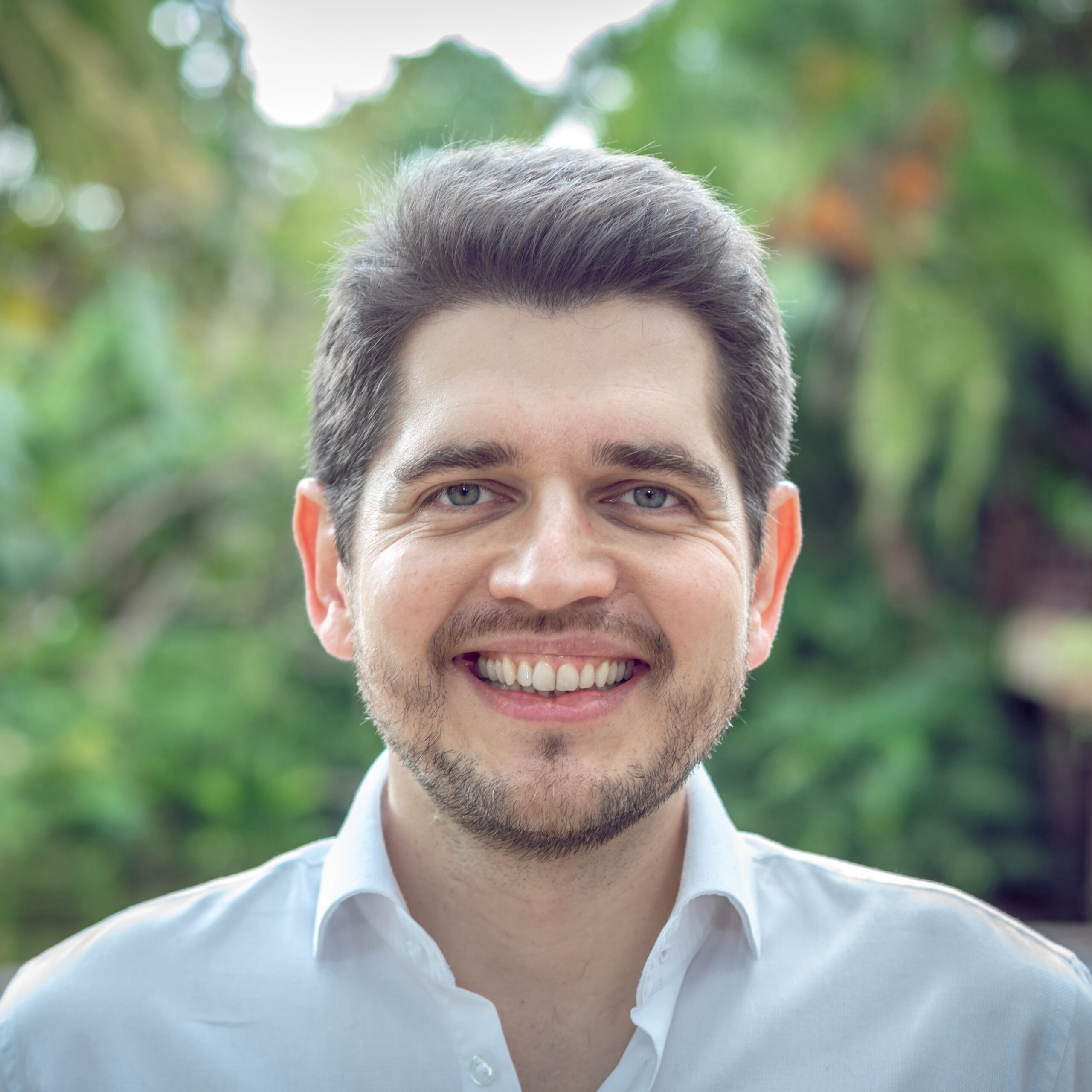
Jean-Charles Guinchard
Partner, Dalberg Advisors
Related Articles