Dalberg uses cookies and related technologies to improve the way the site functions. A cookie is a text file that is stored on your device. We use these text files for functionality such as to analyze our traffic or to personalize content. You can easily control how we use cookies on your device by adjusting the settings below, and you may also change those settings at any time by visiting our privacy policy page.
Decarbonizing electricity consumption is one of the most urgent requirements for addressing climate change. While energy efficiency, renewable generation, storage, and enabling policies are vital, consumers—both households and large companies—must also play a central role in accelerating the transition to 24/7 carbon-free energy. Yet many face barriers, including limited options, insufficient knowledge, and inadequate incentives.
Dalberg partnered with SEforAll to explore how consumers can drive this transition. The study, presented at the 2023 UN General Assembly and to major energy consumers like Google, outlined the regulatory, financial, and infrastructural enablers required to create a just, inclusive, and sustainable energy shift.
Three types of consumer empowerment emerged:
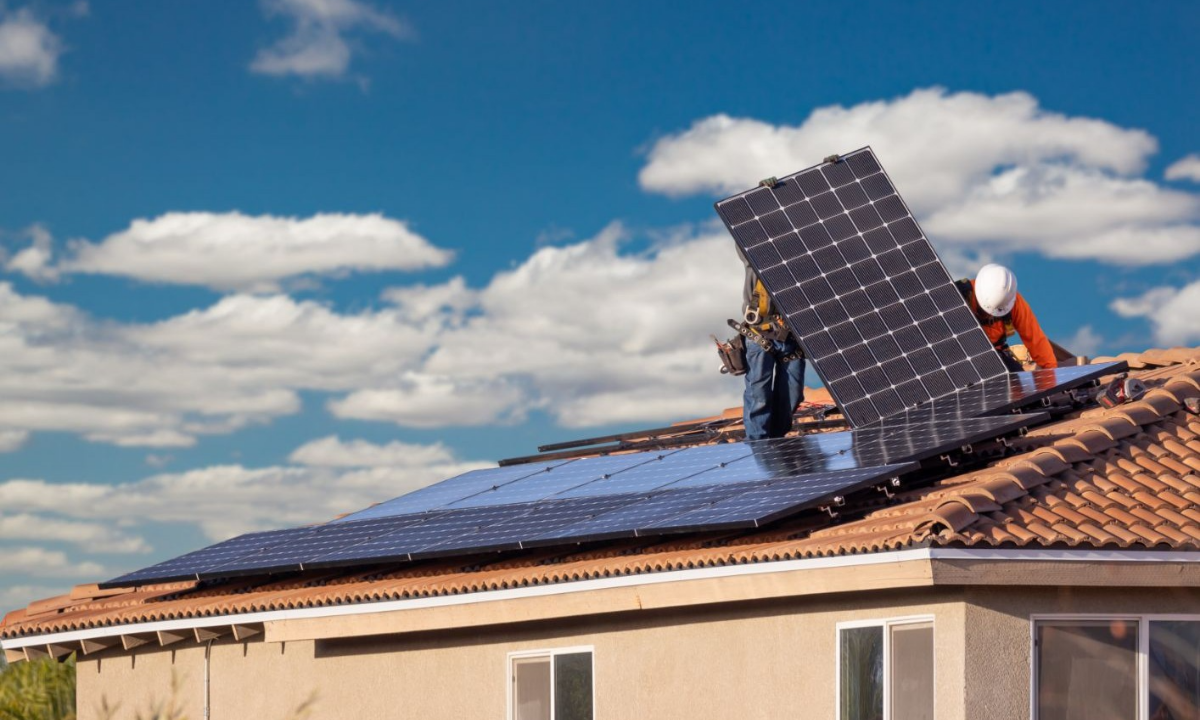
- Supply-side empowerment, where consumers generate carbon-free energy (as seen in Brazil, where small-scale solar contributes 10% to the national grid);
- Demand-side empowerment, where consumers shift or reduce their energy use (illustrated by South Africa’s pricing schemes that reduced peak demand by 5–10%); and
- Data-driven empowerment, where consumers align consumption with times of carbon-free energy availability on the grid.
Despite their promise, these solutions face adoption challenges due to lack of awareness, weak regulations, and limited infrastructure. However, with the right enablers, they could shift 27% of global residential electricity consumption away from fossil fuels. The report recommends a holistic ecosystem approach: raising consumer awareness, mandating empowerment measures, developing infrastructure, providing incentives, and aggregating channels for consumer action.
With the right infrastructure and regulatory enablers, we can shift over a quarter of residential electricity consumption away from fossil fuels. That is a significant number in a world where we must use all available tools to transition to 24/7 decarbonization.”
Annette Chau
Associate Partner, Dalberg Advisors

Annette Chau
Associate Partner, Dalberg Advisors
Related Articles