Dalberg uses cookies and related technologies to improve the way the site functions. A cookie is a text file that is stored on your device. We use these text files for functionality such as to analyze our traffic or to personalize content. You can easily control how we use cookies on your device by adjusting the settings below, and you may also change those settings at any time by visiting our privacy policy page.
The fight against climate change needs solutions that are not only effective, but also accessible, inclusive, and scalable. Digital Public Goods (DPGs)—open-source digital tools, data, and systems—are emerging as powerful enablers of climate action. By embedding these tools into Digital Public Infrastructure (DPI), countries can accelerate climate solutions, coordinate efforts more efficiently, and ensure benefits reach communities on the frontlines of the crisis.
For low- and middle-income countries (LMICs) in particular, DPGs level the playing field. They allow governments and communities to participate in climate mitigation without having to build costly proprietary systems from scratch. For example, open geo-spatial datasets help track land use and support sustainable agriculture and forest management, reducing the need for every country to develop its own mapping tools.
This shift represents more than just a technological upgrade—it is a move from short-term fixes to structural solutions. In collaboration with the Digital Public Goods Alliance and UNDP, Dalberg authored a report estimating the economic and human impact of DPI for climate across 70 LMICs. Findings show that DPG-based monitoring and verification systems can reduce mitigation costs, improve trust in carbon offset projects, and boost their discoverability. For example, end-to-end carbon credit monitoring and trading systems are projected to reduce carbon emissions by 0.8–1 GtCO₂e, while expanding the global carbon market.
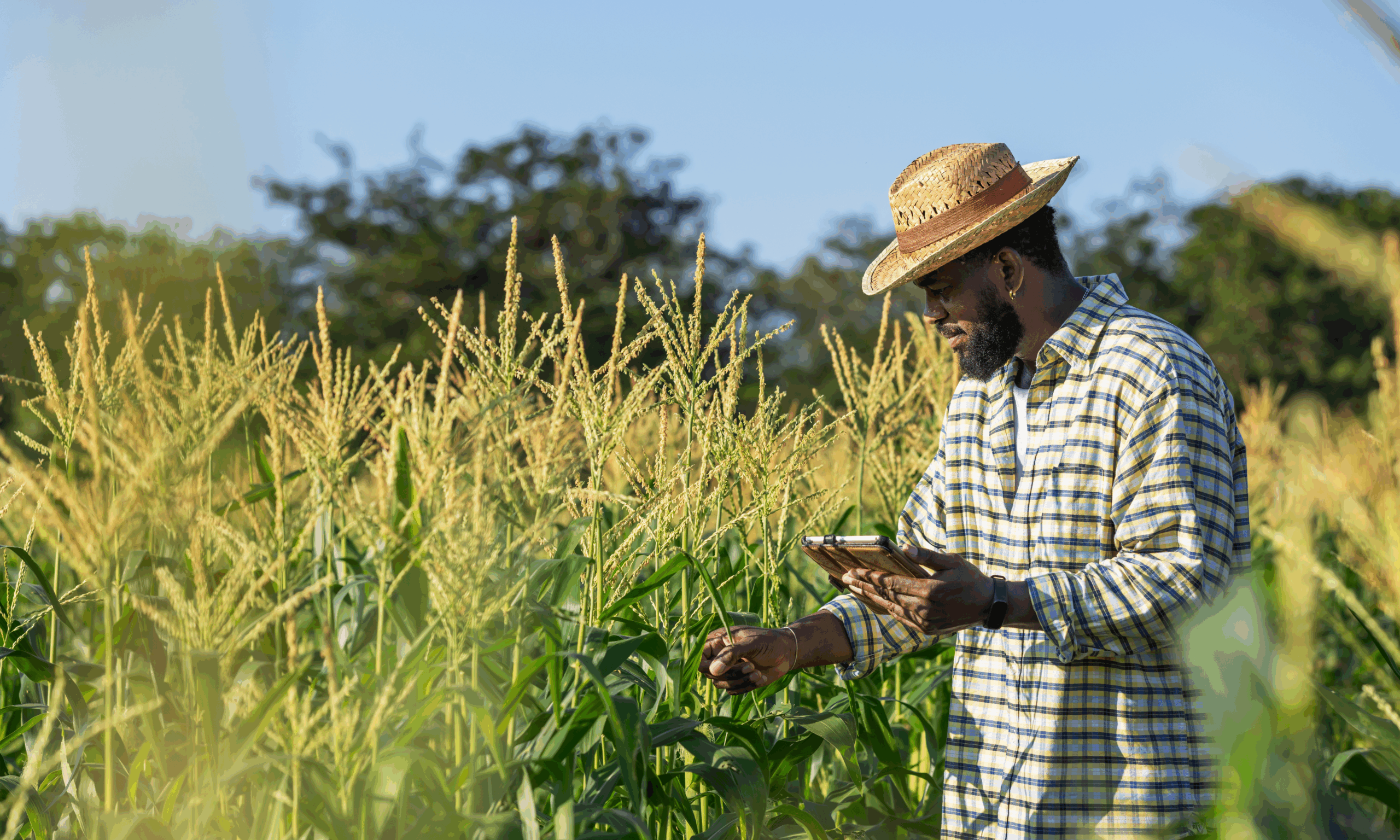
DPG-based systems also deliver direct benefits to communities. Near-real-time deforestation alerts can help protect 115,000–230,000 hectares of forest by 2030, while supporting smallholder farmers to boost crop yields, raise incomes, and improve food security.
LMICs therefore have an opportunity to leapfrog traditional development pathways by adopting sector-specific and macro-level digital solutions. Widespread adoption of DPG-based DPI can drive better service delivery, foster open innovation, and accelerate climate mitigation through inclusive, open digitalization.
Kunal Walia
Partner and Digital and Data Practice Lead, Dalberg Advisors
Related Articles