Dalberg uses cookies and related technologies to improve the way the site functions. A cookie is a text file that is stored on your device. We use these text files for functionality such as to analyze our traffic or to personalize content. You can easily control how we use cookies on your device by adjusting the settings below, and you may also change those settings at any time by visiting our privacy policy page.
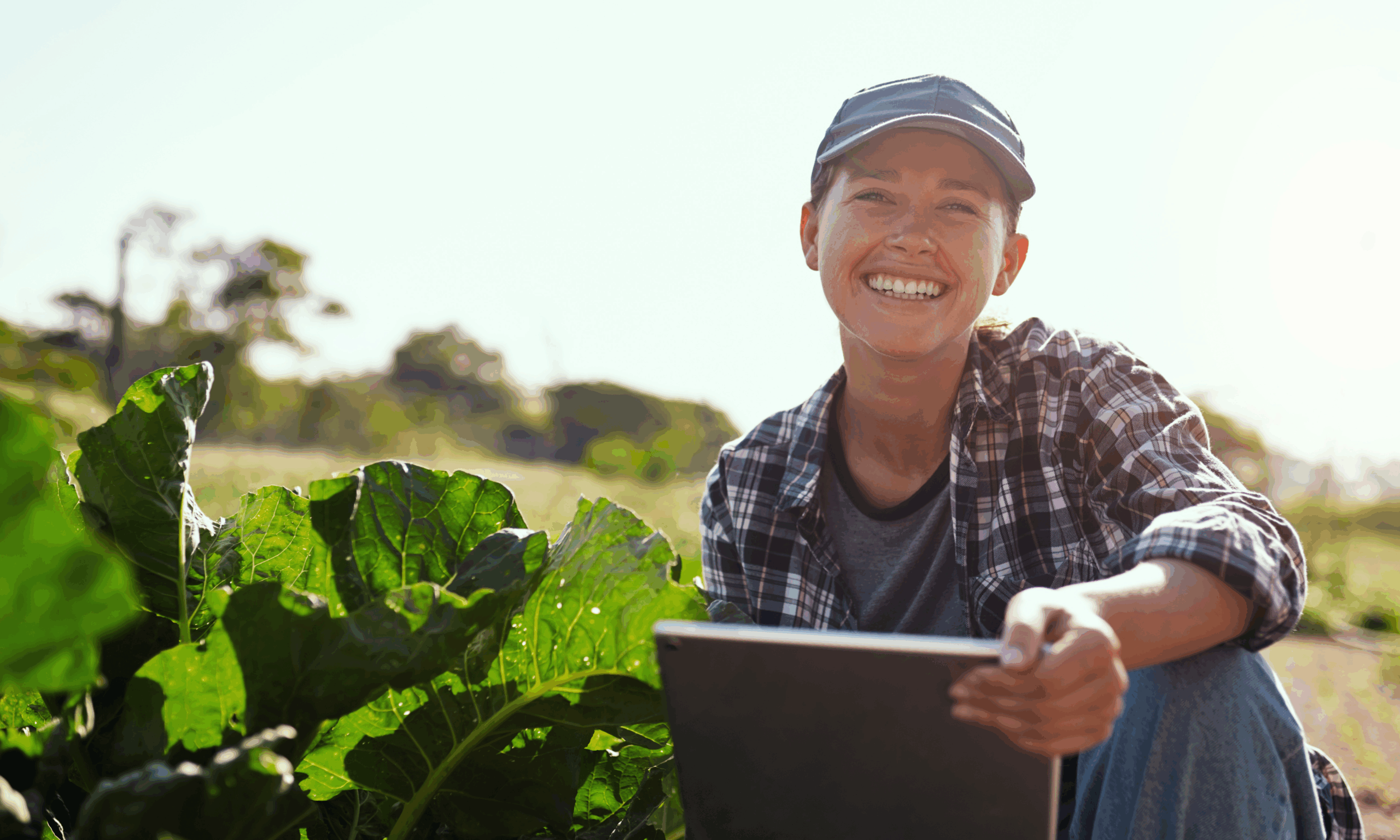
In today’s rapidly changing climate, access to timely, accurate, and actionable information can make the difference between food insecurity and resilient livelihoods. Digital Public Infrastructure (DPI) systems, when designed as data hubs and platforms, have the power to transform how climate and agricultural challenges are addressed. By aggregating diverse data sources—from satellites to field surveys—and translating them into user-friendly insights, these platforms enable farmers, policymakers, and businesses to make smarter, faster decisions. In collaboration with Mercy Corps, Dalberg supported KALRO to develop a national agriculture data hub in response to food security challenges exacerbated by COVID-19, locust invasions, and flooding. The data needs of the agricultural sector were linked with satellite and field organization inputs particularly for Food Balance Sheets and Weather and Crop Monitoring. Further, Dalberg and partners explored opportunities to connect real time data directly with farmers using the WhatsApp for Business platform. The platform provides comprehensive and efficient remote advisory services to farmers in Africa such as an emergency hotline for pest, disease, and weather alerts.
The data available through these platforms serves various users, including farmers. Organizations such as agtech companies, which provide inputs, extension services, market access, and other services, utilize this data for their intelligence and to directly support farmers.
In our landscape assessment of existing climate dashboards and needs among these organizations, we identified two primary levels of use cases for these data hubs. Firstly, broadly applicable use cases like weather forecasting and pest monitoring help farmers make informed decisions about crop management. Secondly, tailored advisory services such as those for fertilizer planning, logistics planning, and financial services like weather-index insurance provide farmers with specific, actionable insights.
By integrating large-scale data aggregation with local delivery channels, these hubs ensure that critical information reaches the people who need it most. As they evolve, data hubs will not only boost efficiency across the agricultural sector but also play a foundational role in strengthening resilience to climate change and safeguarding food security.

Naoko Koyama
Partner, Dalberg Advisors
Related Articles