Dalberg uses cookies and related technologies to improve the way the site functions. A cookie is a text file that is stored on your device. We use these text files for functionality such as to analyze our traffic or to personalize content. You can easily control how we use cookies on your device by adjusting the settings below, and you may also change those settings at any time by visiting our privacy policy page.
Volatility isn’t new for Brazil’s impact space, but the funding environment it’s facing today is pushing the ecosystem in new ways. It’s no longer just about staying resilient, it’s about rethinking how folks team up, innovate, and build for what’s next.
This came into focus during a roundtable we recently convened with Latimpacto, generously hosted by Instituto 12 in Rio. We brought together funders, financial intermediaries, NGOs, and ecosystem enablers to reflect on how Brazil is positioned to navigate a rapidly shifting global funding landscape.
One signal of that shift: Overseas Development Assistance (ODA) is projected to fall by 44% by 2030. As the figure below shows, Brazil’s story stands apart. The country has historically received far less ODA than its regional peers and has built an ecosystem that is less dependent on international aid.
Still, the recent decline in ODA flows is exposing fragilities. As one participant put it, “Brazil is considered too rich for aid, but remains too unequal to face its structural challenges alone.”
While Brazil’s impact ecosystem has historically shown resilience through past volatility, the current moment brings new pressures amidst the tightening fiscal conditions alongside increasing climate risks. At the same time, there is growing momentum for innovative financing, with impact capital increasing as both local and global funders show heightening interest. Locally rooted and community-responsive finance mechanisms are gaining traction offering more sustainable and inclusive pathways towards development. For example, Banco Palmas, Brazil’s pioneering community development bank, uses local currency and solidarity finance to empower micro-entrepreneurs. At the same time, BNDES-backed initiatives—like Mombak and re.green’s reforestation efforts—are de-risking carbon markets and driving impact through native-forest restoration in Amazon communities. On the digital front, systems like Pix are lowering entry barriers and enabling tailored local fintech solutions.
Meanwhile, tools like blended finance, climate bonds, and corporate philanthropy are evolving and becoming more sophisticated and aligned with Brazil’s long-term social and environmental goals.
However, many of these promising efforts remain fragmented, and much of this innovation is happening in silos. As one participant observed, “We don’t lack data, we lack connection.”
To close the session, Dalberg shared a framework for understanding how ecosystems respond under pressure, to explore and answer the question: Are our efforts reactive and fragmented, or coordinated and transformative?

As Brazil works to tackle urgent social and environmental challenges, one question keeps coming up: are we each running our own race, or are we building on each other’s strengths?
When efforts don’t connect, we lose chances to create real scale. So how do we change that? How do we act fast without losing sight of long-term transformation? What does resilience really mean in this moment? Which capabilities will matter most? And where can we unlock the biggest shifts toward a more connected, impactful ecosystem?
If you would like to share your reflections or attend future events and convenings, get in touch:
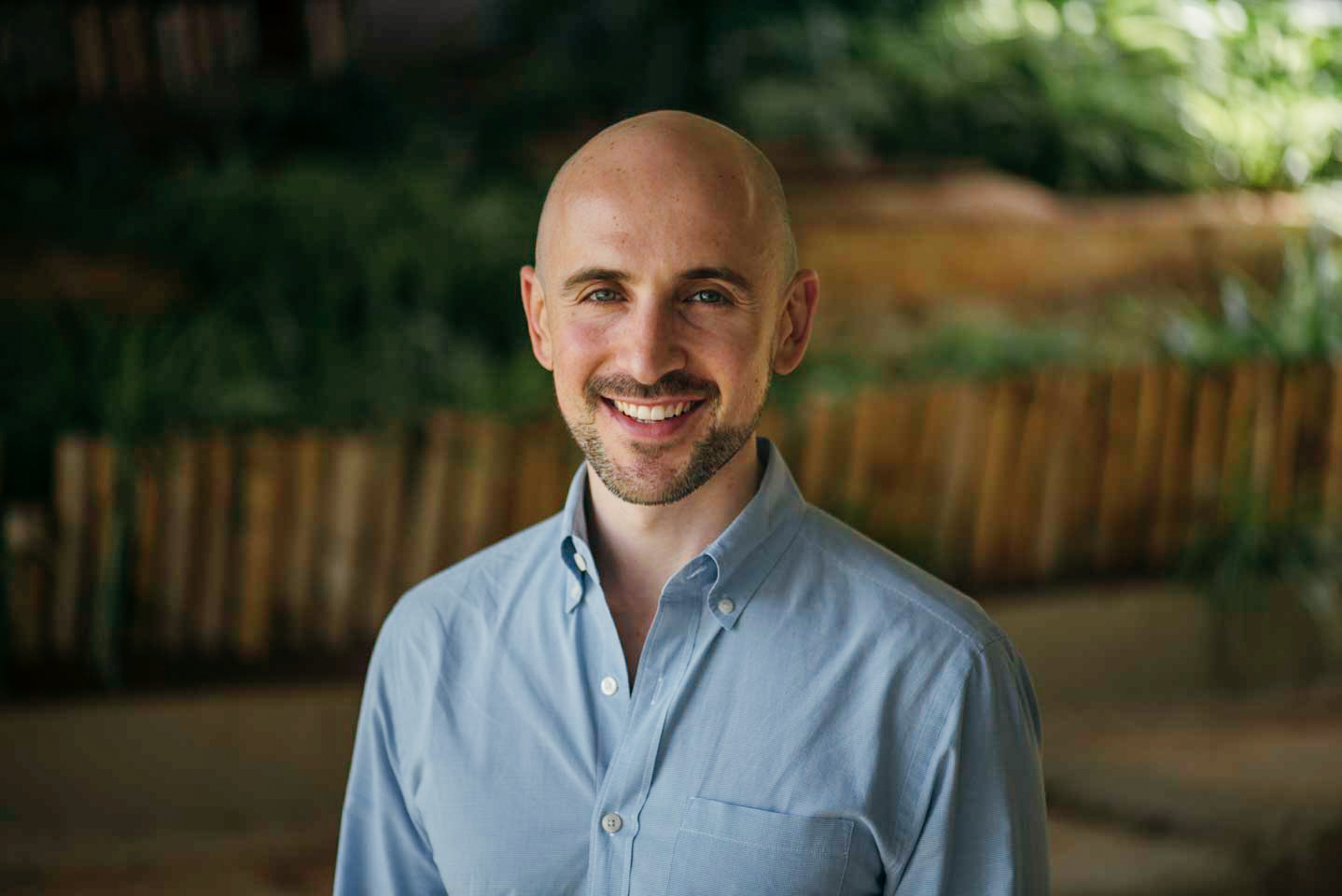
Jeffrey Berger
Principal, Dalberg Advisors

Fabiola Salman
Partner, Dalberg Advisors
Related Articles