Dalberg uses cookies and related technologies to improve the way the site functions. A cookie is a text file that is stored on your device. We use these text files for functionality such as to analyze our traffic or to personalize content. You can easily control how we use cookies on your device by adjusting the settings below, and you may also change those settings at any time by visiting our privacy policy page.
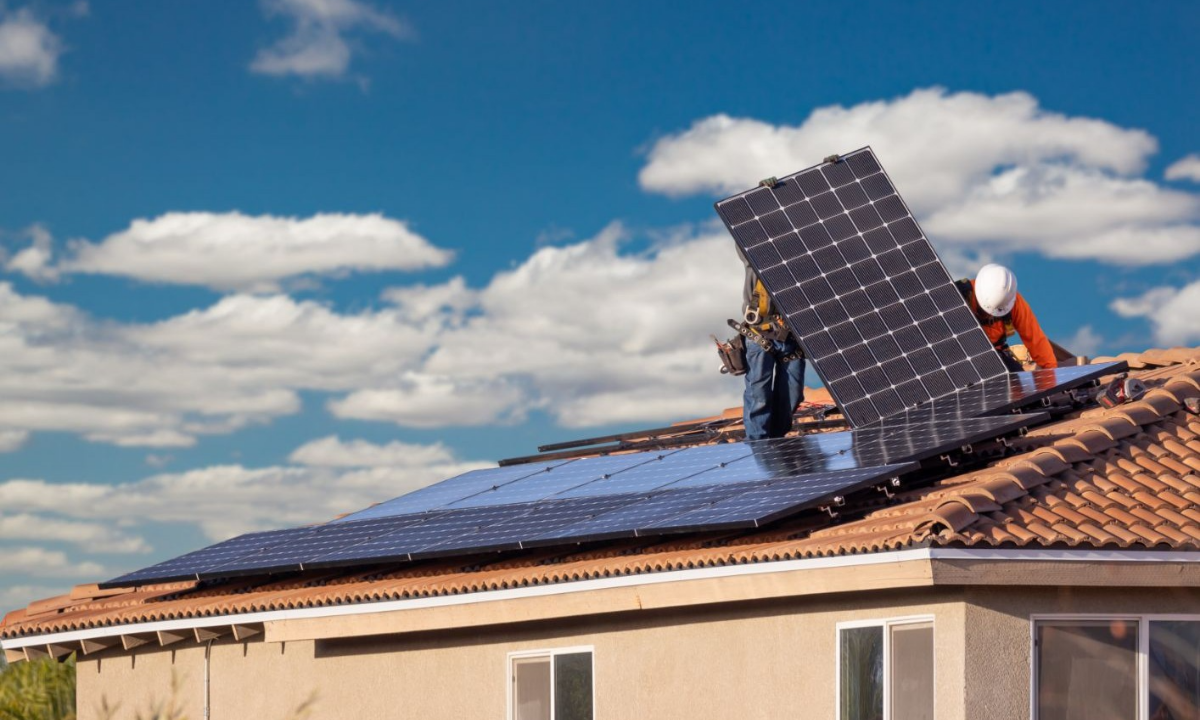
Off-grid solar (OGS) is essential to achieving universal energy access, powering economic growth, and advancing global climate goals. Yet, reaching 400 million people who still need energy access by 2030, particularly those in remote, fragile, and low-income settings, remains a major challenge.
While blended finance has the potential to close the capital gap in the OGS sector, current efforts fall short. Most deals are too small, complex, or narrowly targeted to achieve the scale and inclusivity required. On average, only 22% of households can afford basic OGS products, and the cost to serve hard-to-reach communities is up to 57% higher. At the same time, recent global shocks—currency fluctuations, inflation, and rising interest rates—have further constrained the sector.

To better understand what’s working and what needs to improve, Dalberg and GOGLA reviewed eight blended finance models from across the sector. The report highlights lessons on how to structure capital more effectively, from anchoring trusted sources of concessional capital, to linking financing to underserved customers, to improving efficiency through shared tools and infrastructure.

Achieving universal energy access will require a step-change in how we design and deploy blended finance. This report offers practical insights for donors, investors, DFIs, and enterprises to collaborate on building bigger, smarter, and more inclusive finance vehicles.

Annette Chau
Associate Partner, Dalberg Advisors
Related Articles